

Patient engagement in a hospital setting involves strategies and initiatives aimed at empowering patients to actively participate in their healthcare journey, improve their health outcomes, and enhance their overall experience. Here are key areas and content considerations for patient engagement in a hospital:

Provide access to comprehensive health information, including educational materials about medical conditions, treatments, medications, and lifestyle management.
Use multimedia formats (e.g., videos, interactive tools) to cater to different learning preferences and literacy levels.
Offer secure patient portals or mobile apps that allow patients to view their health records, lab results, medications, and upcoming appointments.
Enable patients to communicate electronically with their healthcare providers, ask questions, and request prescription refills.
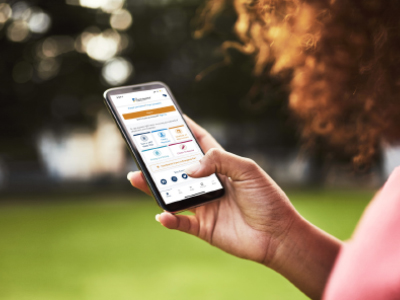

Implement systems for online appointment scheduling and reminders via SMS, email, or through the patient portal.
Reduce no-show rates by sending automated reminders and offering rescheduling options.
Facilitate shared decision-making between patients and healthcare providers by providing information about treatment options, risks, benefits, and alternatives.
Use decision aids and patient decision support tools to help patients make informed choices aligned with their preferences and values.


Improve communication among healthcare team members and with patients to ensure seamless care transitions.
Share care plans, discharge instructions, and follow-up recommendations with patients and their caregivers.
Collect feedback from patients through satisfaction surveys to assess their experience and identify areas for improvement.
Use patient feedback to enhance services, address concerns promptly, and demonstrate a commitment to patient-centered care.


Offer wellness programs, preventive care initiatives, and resources for managing chronic conditions.
Promote healthy behaviors through workshops, seminars, and community outreach activities.
Empower patients to actively manage their health through self-management tools such as personalized health goals, symptom trackers, and medication adherence reminders.